
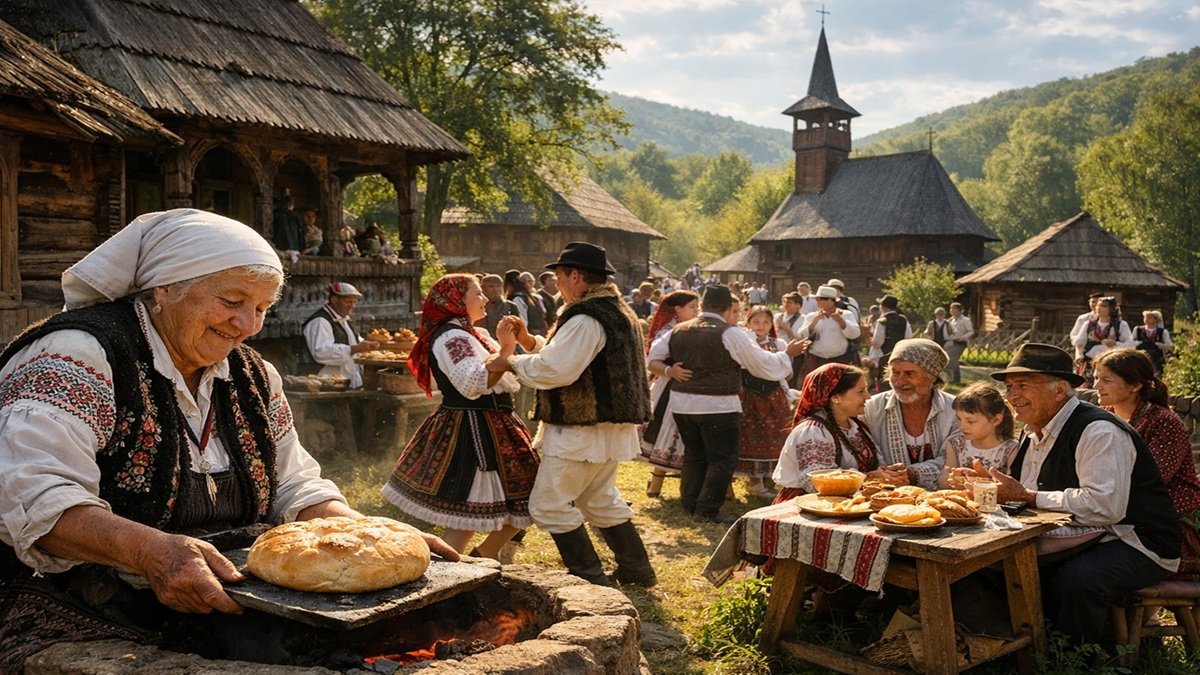
Customs, Beliefs, and Everyday Rituals That Shape Life in Romania
Romania is a country where the past still speaks clearly in daily life. In villages and cities alike, traditions continue to influence how people celebrate, work, and connect with one another. These customs are not preserved behind museum glass. They are practiced, adapted, and passed down through generations. Understanding Romanian traditions offers a deeper look into the values, beliefs, and rhythms that shape life across the country.
Romanian traditions are rooted in history, faith, and a close relationship with nature. While modern life has brought change, many customs remain surprisingly resilient. They help people maintain a sense of identity and belonging in a world that moves quickly.
Why Traditions Matter in Romanian Culture
Traditions in Romania are more than habits or rituals. They serve as anchors, connecting people to their ancestors and shared history. For centuries, communities relied on customs to mark time, explain the world, and strengthen social bonds.
In rural areas especially, traditions once guided nearly every aspect of life, from farming cycles to family roles. Even today, many of these practices continue, reminding people of values such as respect, hospitality, and perseverance.
Romanian traditions help preserve cultural memory in a way that written history alone cannot.
The Role of Family and Community
Family sits at the center of Romanian traditions. Many customs revolve around shared meals, celebrations, and responsibilities that involve extended relatives and neighbors.
Community participation is equally important. Weddings, holidays, and seasonal events often involve entire villages or neighborhoods. These gatherings reinforce cooperation and mutual support.
Through shared traditions, individuals feel connected to something larger than themselves.
Traditional Clothing as Cultural Expression
Traditional clothing plays an important role in Romanian cultural identity. Each region has its own styles, patterns, and colors, often reflecting local history and environment.
These garments are more than decorative. They communicate social status, life stage, and regional belonging. Even today, traditional clothing is worn during festivals, holidays, and special occasions.
Romanian traditions are woven into fabric, thread, and design.
Seasonal Customs and the Rhythm of Nature
Many Romanian traditions follow the agricultural calendar. Seasonal changes shape celebrations, rituals, and daily routines.
Spring traditions often focus on renewal and fertility, reflecting hope for a good harvest. Summer customs celebrate abundance, while autumn marks gratitude and preparation for winter. Winter traditions are especially rich, filled with rituals tied to protection, reflection, and community.
This close connection to nature highlights the country’s rural roots and respect for the land.
Holidays and Religious Influence
Religion has had a strong influence on Romanian traditions, particularly through Orthodox Christianity. Religious holidays often blend spiritual practices with local customs.
Holidays are marked by fasting periods, special foods, church services, and family gatherings. These moments emphasize humility, generosity, and reflection.
Even people who are not deeply religious often observe these traditions as part of cultural identity.
Folk Music, Dance, and Storytelling
Music and dance are essential expressions of Romanian traditions. Folk songs often tell stories of love, hardship, and historical events. Dances are energetic, communal, and symbolic.
These art forms are not limited to performances. They are actively practiced during festivals, weddings, and community celebrations.
Storytelling, passed down orally, preserves myths, legends, and moral lessons that continue to shape cultural values.
Life Events and Traditional Rituals
Major life events are marked by specific customs in Romania. Births, weddings, and funerals each have rituals that guide families through transitions.
Wedding traditions, for example, can last several days and involve symbolic acts meant to ensure harmony and prosperity. These rituals emphasize the importance of family unity and social responsibility.
Such traditions help people navigate life’s milestones with shared meaning.
Food as a Cultural Connector
Food plays a central role in Romanian traditions. Recipes are often passed down through generations, tied to holidays or seasons.
Traditional meals are prepared with care and shared generously. Hospitality is deeply valued, and guests are often welcomed with food as a sign of respect.
Through food, traditions are tasted, remembered, and shared.
Regional Diversity Within Shared Identity
Romania’s geography has contributed to regional diversity. Mountain areas, plains, and coastal regions each developed distinct customs.
Despite these differences, shared traditions create a sense of national identity. Regional customs add richness without dividing the culture.
Romanian traditions show how diversity and unity can coexist.
Traditions in Modern Romanian Life
Modernization and urbanization have influenced how traditions are practiced. In cities, some customs are observed mainly during holidays or festivals.
However, there is growing interest among younger generations in rediscovering traditional practices. Cultural events, workshops, and community initiatives help keep traditions alive.
Adaptation ensures relevance without losing meaning.
Why Traditions Continue to Endure
Romanian traditions endure because they fulfill emotional and social needs. They offer continuity, comfort, and identity in a changing world.
Traditions provide structure during uncertainty and joy during celebration. They remind people of shared roots and common values.
This enduring relevance explains why traditions are preserved even as lifestyles evolve.
What Visitors Learn From Romanian Traditions
Visitors often notice the warmth and authenticity of Romanian cultural practices. Observing or participating in traditions offers insight into everyday values.
Respectful curiosity is usually welcomed. Traditions become bridges between cultures rather than barriers.
Through traditions, Romania shares its story openly.
Preserving Traditions for the Future
Preservation efforts often start at home. Families teach children customs through participation rather than instruction.
Schools, cultural groups, and local communities also play a role. Festivals and educational programs help ensure traditions remain lived experiences.
Preservation is about passing meaning forward, not freezing it in time.
The Emotional Power of Tradition
Traditions carry emotion as well as history. They evoke memories, reinforce belonging, and offer comfort.
Songs, rituals, and celebrations connect people across generations, creating shared emotional experiences.
This emotional depth gives traditions lasting power.
Final Thoughts
Romanian traditions are living expressions of history, belief, and community. They shape daily life, guide celebrations, and provide continuity across generations.
Understanding Romanian traditions offers more than cultural knowledge. It reveals values rooted in connection, resilience, and respect for heritage.
In Romania, traditions are not relics of the past. They are part of the present, shaping how people live, celebrate, and remember who they are.


