
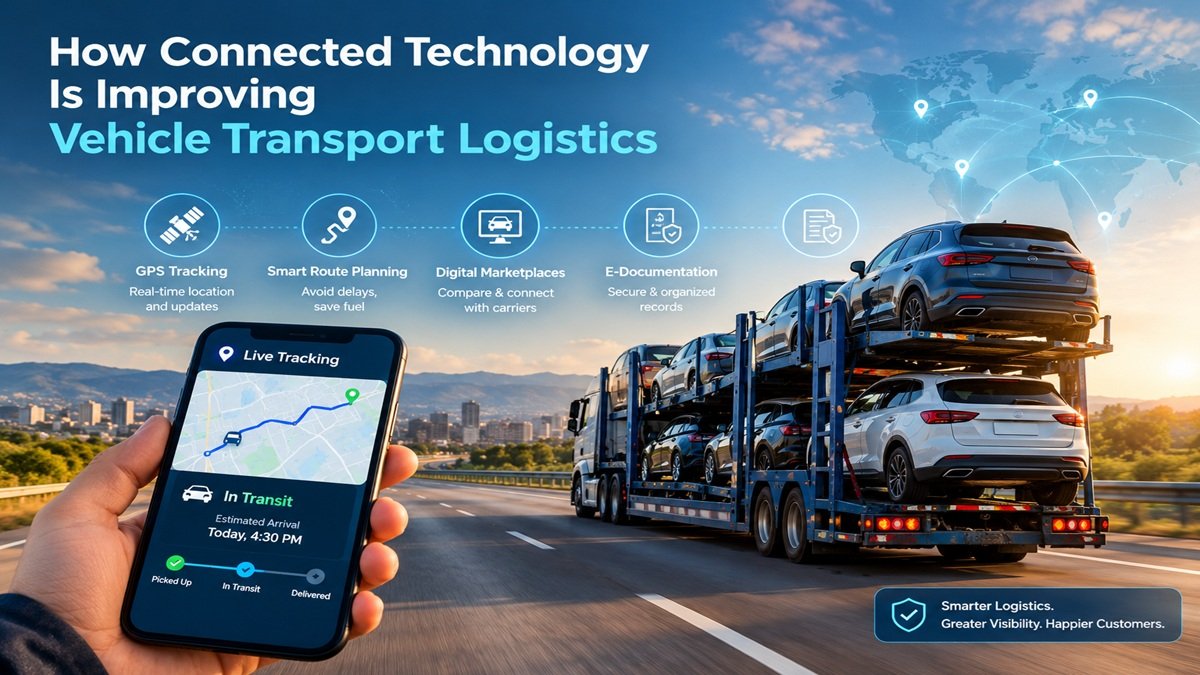
How Connected Technology Is Improving Vehicle Transport Logistics
Deciding to move vehicles across the country involves a lot more coordination than simply loading cars onto a truck and driving to their destination. Transport companies must manage collection schedules, delivery locations, traffic conditions, and communication with customers, often while handling multiple shipments simultaneously. When these arrangements aren’t properly coordinated, delays and unnecessary expenses can quickly follow.
Connected technology is helping transportation providers manage these challenges more effectively. From GPS tracking to intelligent route planning, digital systems are making vehicle logistics more efficient and giving customers greater visibility throughout the shipping process.
Real-Time Tracking Improves Shipment Visibility
One of the most useful developments in vehicle transportation is the ability to monitor shipments through connected tracking systems.
GPS technology allows transport companies to monitor vehicle locations and understand how journeys are progressing. Depending on the provider, customers may also receive tracking updates or notifications about estimated arrival times.
This information can be especially valuable when deliveries need to coincide with house moves, dealership schedules, or business commitments. However, tracking capabilities vary between companies, so customers should confirm which services are available before booking.
Smarter Platforms Help Match Vehicles With Carriers
Digital transportation marketplaces are changing how customers find suitable shipping providers. Rather than contacting separate companies, users can compare available services and explore quotes through online platforms.
For example, a person researching car transporters in Portland can compare transportation options for moving a vehicle to or from the Oregon city. These platforms can also help connect shipments with carriers that have available capacity on relevant routes.
Better coordination may reduce unnecessary journeys and improve vehicle utilization, although the actual benefits depend on scheduling, route compatibility, and carrier availability.
Connected Systems Support Better Route Planning
Transporting several vehicles across different locations requires careful route planning. Traffic congestion, road closures, weather conditions, and delivery deadlines can all influence the most practical journey.
Modern logistics software can analyze these factors and help dispatchers adjust routes when circumstances change. Connected fleet systems may also provide information about vehicle performance, fuel consumption, and driver activity. By combining this information, transportation businesses can identify inefficiencies and make more informed operational decisions.
Reducing unnecessary mileage can help control fuel costs while potentially lowering transportation-related emissions.
Digital Documentation Makes Administration Easier
Vehicle shipping involves important records, including booking agreements, insurance information, and vehicle condition reports.
Electronic documentation allows transport companies and customers to store these details more conveniently. Pictures taken during collection and delivery can also help document a vehicle’s condition and provide useful evidence if damage concerns arise.
Keeping records organized electronically may reduce paperwork and make information easier to retrieve when needed. However, accurate documentation and careful inspections remain essential, regardless of the technology being used.
Connected Technology Still Requires Human Oversight
Although automation and digital tools offer significant advantages, vehicle transportation remains dependent on experienced drivers, reliable equipment, and effective communication.
Unexpected weather, mechanical problems, and changing customer requirements can still disrupt schedules. Technology can provide useful information, but transport teams must interpret that information and respond appropriately. Regular equipment maintenance and clear communication procedures remain important parts of dependable service.
A More Connected Future for Vehicle Shipping
As connected systems become more accessible, vehicle transportation companies have greater opportunities to improve how they coordinate shipments and communicate with customers.
Real-time tracking, digital marketplaces, and smarter route planning can help reduce administrative pressure while supporting more efficient operations. For customers, these developments make researching providers and understanding delivery arrangements more convenient.
The greatest benefits come when businesses combine digital technology with reliable service, realistic scheduling, and responsible vehicle handling. Together, these improvements can make long-distance car transportation easier to manage for everyone involved.


